Check Washing: How a Stolen Mailed Check Gets Rewritten and Cashed



Key Takeaways
Every check you drop in a mailbox carries your bank account number, routing number, and signature, enough for a criminal to rewrite it entirely.
Check washing is a fraud method where thieves steal mailed checks, chemically erase the ink, and fill in new payee names and amounts. Your signature stays intact, so the altered check clears without triggering alerts. A newer digital version skips the chemicals altogether, which means common advice like "use a gel pen" only solves part of the problem.
This guide covers how check washing works, who's legally responsible when it happens, and what you can do right now to protect yourself.
What is check washing, and why is it surging right now?
Check washing is one of the oldest financial crimes still running at full speed, and it's getting worse.
A criminal steals a mailed check, uses acetone, bleach, or nail polish remover to erase the payee name and dollar amount while leaving your signature intact, rewrites the check to themselves, and deposits it. Because your signature is genuine, it passes teller and ATM review without raising a flag.
Three forces are driving the current surge:
- Organized criminal networks: Stolen checks are bought and sold on Telegram. Recorded Future analyzed nearly a million stolen check images across 700+ Telegram channels in H1 2024 alone.
- Mail theft explosion: Reports of mail theft from USPS collection boxes surged 139% between fiscal years 2019 and 2023, according to Chief Postal Inspector Brendan Donahue's July 2025 testimony to the House Oversight Committee, and Suspicious Activity Reports related to check fraud nearly doubled from 2021 to 2023, per the FBI and U.S. Postal Inspection Service's January 2025 joint alert.
- Enormous check supply: The Association for Financial Professionals' 2022 Digital Payments Survey found that 33% of B2B payments in the U.S. and Canada were still made by check, a nine-point decline since 2019.
The dollar figures are stark. FinCEN's September 2024 Financial Trend Analysis found 15,417 Bank Secrecy Act reports citing mail theft-related check fraud in a single six-month window in 2023 (February 27 to August 31), representing over $688 million in suspicious transactions. Globally, Nasdaq Verafin put check fraud losses at $26.6 billion in 2023, with 80% occurring in the Americas.
The two types of check washing you need to know about
There are two distinct methods criminals use, and understanding both changes what you need to do to protect yourself.
1. Chemical check washing is the classic method. A thief soaks a stolen check in acetone, bleach, or nail polish remover to dissolve ballpoint ink, leaving the paper and signature untouched. They rewrite the payee name and dollar amount, then cash it.
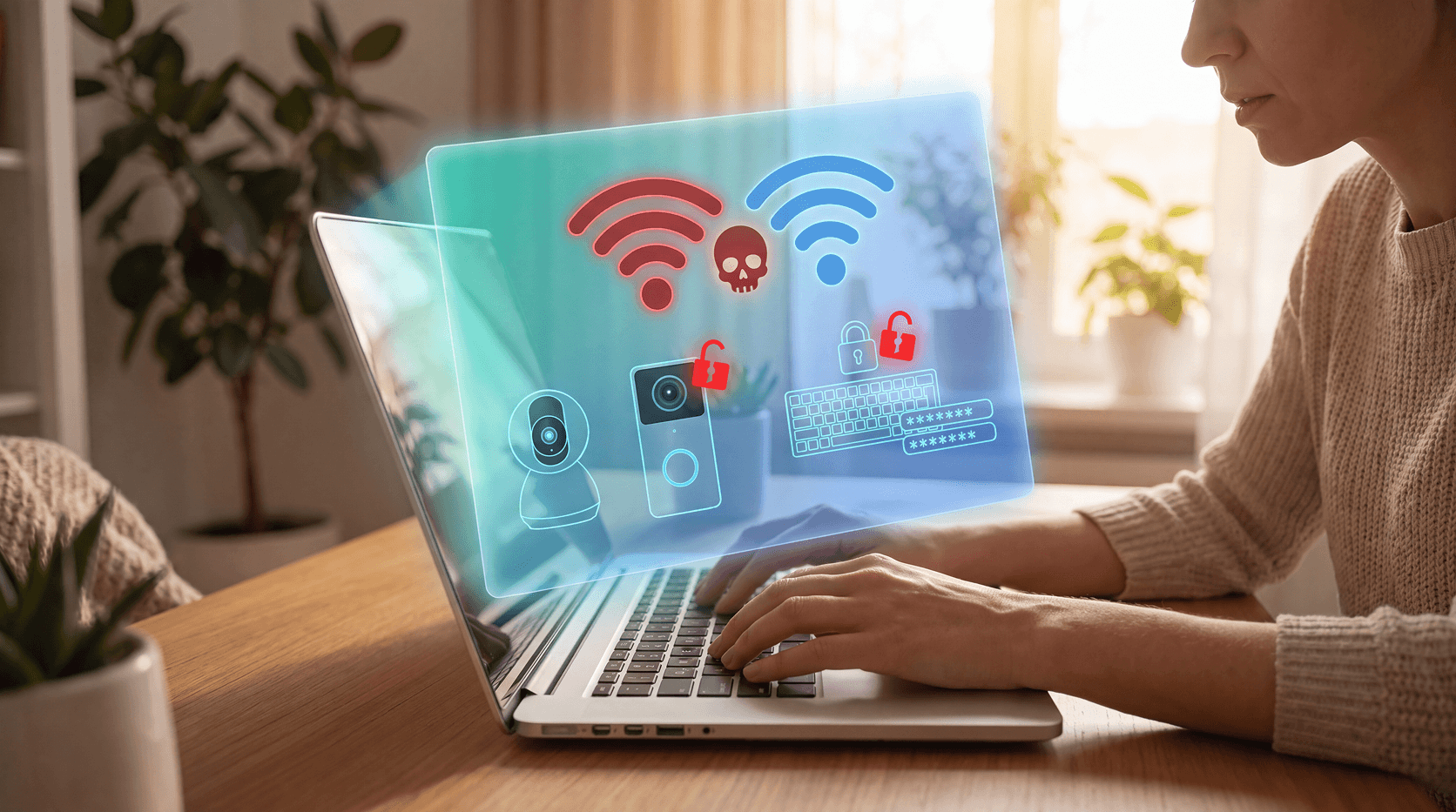
2. Digital check washing is the modern version most consumer advice ignores. The criminal photographs the check at high resolution, edits the payee name and amount in software like Photoshop, then either prints a counterfeit check or deposits the manipulated image via mobile remote deposit capture.
Digital check washing makes your gel pen irrelevant, the ink is never touched. As KSDK's Verify team reported in December 2023, fraud experts confirmed sophisticated criminals have largely moved to digital methods. OrboGraph noted that fraudsters can extract check data and recreate it via software, then deposit it through mobile systems that convert images to black and white, making alterations harder to detect.
How a washed check goes from your mailbox to a criminal's bank account: a step-by-step walkthrough
From mailbox to drained funds, the whole operation can take as little as 24 to 72 hours.
Step 1: Mail theft
Thieves use "mail fishing", inserting a sticky device through a USPS collection box slot, or rob postal carriers for arrow keys that open entire banks of mailboxes. According to David Maimon of Georgia State University, stolen arrow keys sell on Telegram for $1,000-$7,000 each. Raised red flags on residential mailboxes also signal easy targets.
Step 2: Sorting and selection
Criminals pull anything that looks like a check. SentiLink researchers cataloged over 18,000 stolen checks worth over $485 million across 53 Telegram channels in just a few months of 2024. Checks are photographed and listed for sale within hours.
Step 3A: Chemical washing
Acetone, nail polish remover, or bleach dissolves ballpoint ink while leaving the paper, routing number, and signature intact. The criminal fills in a new payee and a higher dollar amount.
Step 3B: Digital washing
No chemicals required. The check is photographed, edited in software, then either printed on check stock or deposited directly via mobile remote deposit capture, leaving zero physical trace and defeating gel-pen ink entirely.
Step 4: Depositing the altered check
The check goes into a mule account at a different bank, typically via mobile deposit, no teller, no ID check. Under Regulation CC, funds must be available within one to two business days, a window almost always too short for fraud detection.
Step 5: Withdrawal and disappearance
The moment funds clear, the criminal moves fast, cash withdrawals, Zelle or Venmo transfers, or cryptocurrency conversions. The mule account is abandoned within hours.
What you experience: The payee reports the bill unpaid. You check your statement and see a debit to an unfamiliar name or wrong amount. By the time you call your bank, the money has been gone for weeks.
The digital check washing variant: why your gel pen is no longer enough
Gel pens are a legitimate first-line defense. The American Bankers Association recommends them because gel ink bonds to paper fibers, making chemical erasure significantly harder. For old-school check washing, they work.
But criminals have moved on. Digital check washing doesn't touch the paper at all. A fraudster photographs your check, digitally erases the payee name and amount, types in new information, and either prints a counterfeit or submits the manipulated image via mobile deposit. The bank's Remote Deposit Capture system processes the image, there's no paper to examine for chemical residue. Your gel pen never enters the equation.
KSDK's Verify team reported in December 2023 that fraud experts confirmed gel pens offer no deterrent against criminals who have shifted to digital methods.
Recorded Future's Payment Fraud Intelligence team analyzed nearly one million stolen check images across 700+ Telegram channels in H1 2024, as highlighted by Orbograph's analysis. Roughly 50% of stolen check images appear on these channels within eight days of theft.
Digital washing also enables double presentment fraud, the same manipulated image deposited at multiple institutions before any bank catches the duplication. Industry estimates put RDC-related fraud above $400 million in 2023, with a significant portion attributed to double presentment.
Gel pens slow chemical washing. They do nothing against a smartphone camera, which is why the prevention steps ahead cover seven layered actions, not just one.
Who is liable for a washed check, you, your bank, or the fraudster's bank?
Most people assume they're on the hook when a fraudster cashes their altered check. The reality is more favorable, but only if you act fast.
The general rule: the bank bears first loss
Under UCC Article 3, Section 3-407, a fraudulent, material alteration discharges the parties involved from liability for the altered terms, and the check can generally only be enforced according to its original, unaltered terms. In practice, the depository bank warrants under UCC 4-207 that the check is genuine and unaltered, and when that warranty is breached, it's the depository bank that absorbs the loss, not you.
The critical exception: negligence and reporting deadlines
UCC Section 4-406 shifts liability back to you if you were negligent (leaving blank spaces, using erasable ink, failing to review statements) or missed the reporting deadline. The UCC gives customers a "reasonable period not exceeding 30 days" after receiving their statement to report unauthorized items. Wait longer than one year and you're legally barred from any claim, regardless of fault.
Business accounts vs. personal accounts
Business owners get a shorter runway and less regulatory cover. Review your account agreement today.
The practical reality: Even when the bank is legally liable, recovery typically takes 30 to 180 days. Your bank will investigate, file a claim against the depository bank, and likely ask you to sign an affidavit of forgery. Report immediately, don't wait for your monthly statement.
What happens if you report a washed check too late?
Missing the reporting window doesn't just delay recovery, it can legally transfer the loss from your bank to you.
Under UCC 4-406(d), once your bank makes a statement available, you have 30 days to report any unauthorized alteration. Miss that window, and if the same fraudster washes a second check before you've reported the first, you may be fully liable for that second loss. The bank can argue it could have stopped the repeat fraud if you'd notified them in time.
A check washed in January that you don't report until March leaves you exposed for everything that criminal did in February.
The one-year hard cutoff under UCC 4-406(f) is absolute, after that, you lose the right to dispute the alteration regardless of fault.
This is why daily account monitoring matters. Catching a suspicious transaction the day it posts, not 60 days later, is what keeps the liability off you.
7 steps to prevent check washing before it happens
These seven steps close the gaps that fraudsters count on.
Step 1: Switch to electronic payments
ACH bill pay, bank online bill pay, Zelle, and credit or debit cards have no ink to wash and no envelope to steal. According to the Association for Financial Professionals' 2022 Digital Payments Survey, 33% of B2B payments in the U.S. and Canada are still made by check, moving vendors to ACH is one of the highest-impact steps a business can take.
Step 2: Use a black gel pen for any check you must write
Gel ink bonds to paper fibers at a molecular level, making it significantly harder to dissolve than ballpoint ink. Both the American Bankers Association and the New York State Division of Consumer Protection recommend black gel pens. Draw a line through any blank space on the payee and amount lines, empty space is an open invitation. Note: gel pens don't protect against digital check washing.
Step 3: Never leave outgoing mail in your home mailbox
Raising the red flag tells thieves something worth stealing is waiting. Instead:
- Drop checks directly inside the post office lobby
- Hand them to your postal carrier in person
- Use a USPS blue collection box only within 30 minutes of the posted pickup time
Step 4: Sign up for USPS Informed Delivery
USPS Informed Delivery is a free service that sends daily email previews of incoming mail, helping you spot gaps if something is being intercepted. It takes five minutes and costs nothing.
Step 5: Install a locking mailbox
USPS-approved locking mailboxes cost $50-$200 at most hardware stores. One stolen and washed check can cost far more.
Step 6: Retrieve your mail daily, or put it on hold
Mail sitting overnight in an unlocked box is a soft target. If traveling, use the free USPS Hold Mail service at usps.com.
Step 7: Monitor your bank account every day, not every month
Check your bank's mobile app every one to two days and pull up the image of every cleared check. Verify the payee name and dollar amount match exactly what you wrote. Set up transaction alerts for any check clearing above a threshold you choose. Monthly reviews catch fraud after the damage is done, daily reviews catch it while you can still act.
Which pen is best for preventing check washing?
Black gel ink is your best defense against chemical check washing. The American Bankers Association and the Better Business Bureau both recommend gel pens because pigment-based ink bonds directly to paper fibers, making it far harder to dissolve with common solvents.
Three models consistently cited by fraud experts and banking institutions:
- Uni-ball 207: The most widely recommended option. Its proprietary Super Ink formula bonds to paper and is marketed specifically as fraud-resistant.
- Pilot G2: A reliable gel alternative with strong solvent resistance.
- Pentel EnerGel: Fast-drying, pigment-based gel ink.
Black is preferred over blue because it's harder to convincingly replicate after a wash attempt.
The caveat: gel pens only protect against chemical washing. If a criminal photographs your check and edits it digitally, the pen in your hand is completely irrelevant.
What to do if you're already a victim of check washing
Speed matters. The faster you act, the better your odds of recovering the money and preventing full-blown identity theft.
Step 1: Contact your bank immediately
Call the fraud line the moment you spot a suspicious transaction. If the check hasn't cleared, ask them to return it unpaid. If it has cleared, request a copy of the front and back, the endorsement often reveals the fraudster's deposit account. Ask the bank to open a formal fraud claim, issue a provisional credit, change your account number, and flag your account for enhanced monitoring.
Step 2: File a report with the U.S. Postal Inspection Service (USPIS)
File online at uspis.gov/report or call 1-877-876-2455. According to the USPIS, postal inspectors recover more than $1 billion in counterfeit checks and money orders every year.
Step 3: File a police report
Your bank may require it to process the fraud claim, and you'll need it if the fraud escalates into identity theft disputes. Many departments allow online filing.
Step 4: Place a fraud alert with one credit bureau
Contact Equifax, Experian, or TransUnion, the bureau you contact is legally required to notify the other two. A fraud alert lasts one year. For stronger protection, consider a free credit freeze at all three bureaus.
Step 5: Monitor for downstream identity theft
Your routing number, account number, name, address, and signature are now in criminal hands. Pull free credit reports at annualcreditreport.com (weekly reports are available at no cost) and watch for unfamiliar hard inquiries, new accounts, or ACH debits you don't recognize.
Step 6: Report to the FTC
File at ReportFraud.ftc.gov. If identity theft has already occurred, visit IdentityTheft.gov for a personalized recovery plan.
How quickly do you need to act after discovering check washing fraud?
Fast. The window between discovery and real recovery closes quickly.
Under UCC § 4-406, most bank deposit agreements shorten the legal reporting deadline to 30 days from statement receipt. Miss that window and your bank can legally deny your claim.
In practice, the window is even tighter. If you report within 24 to 48 hours, your bank may still be able to intercept the check before funds are released. Under Regulation CC, most checks clear within one to two business days, that's your best shot at stopping the loss before it's final.
Once the money is out, recovery becomes a waiting game. According to the Association for Financial Professionals, the process can take up to 180 days, and recovery is never guaranteed.
Don't wait to see if the charge reverses on its own. It won't.
Check washing and identity theft: the hidden connection most victims miss
Every paper check is a miniature dossier: your full legal name, home address, bank name, routing number, account number, and handwritten signature, often your phone number too. That's more personal data than most phishing attacks harvest, handed over voluntarily and dropped in a mailbox.
Most victims focus on the stolen dollar amount. That's the wrong thing to worry about.
What criminals do with your check data beyond cashing it
- ACH fraud: Your routing and account numbers alone are enough to initiate unauthorized electronic transfers. Bank of Colorado confirms a stolen check is one of the most common starting points for ACH fraud.
- Counterfeit check creation: Fraudsters use your account data to print entirely new counterfeits, the fraud continues long after the original theft.
- New account fraud: Your name, address, and banking details combined with data from breach databases give criminals enough to open credit cards, loans, or bank accounts in your name.
- Dark web resale: SentiLink cataloged over 18,000 stolen checks worth over $485 million across 53 Telegram channels in just a few months of 2024. Recorded Future monitored nearly a million stolen check images across 700+ Telegram channels in H1 2024 alone.
The timeline problem: Check washing fraud is often discovered weeks after the theft. By then, criminals may have already committed ACH fraud or new account fraud, showing up as entirely separate incidents. You might dispute a fraudulent bank transfer and never realize it started with a rent check you mailed two months ago.
Where Guardio fits in: Guardio's identity protection continuously scans breach databases and monitored sources for your personal and banking data, alerting you in real time if your information surfaces somewhere it shouldn't. Guardio also blocks phishing sites, on both your browser and your phone, that criminals use to exploit check fraud victims. The check itself may only be worth a few hundred dollars. The data on it can be worth far more, and it doesn't expire.
What data does a stolen check expose?
A single check carries more exploitable data than most people realize:
- Full legal name: Used to bypass identity verification and open new accounts.
- Home or business address: Targets you for physical mail fraud and identity document applications.
- Bank routing number: Enough to initiate unauthorized ACH debits or print counterfeit checks, as Citi confirms.
- Bank account number: Paired with the routing number, opens the door to ACH fraud, counterfeit check printing, and account takeover attempts.
- Handwritten signature: Forged onto financial documents, loan applications, or wire transfer authorizations.
- Phone number (if printed): Used to initiate SIM-swap attacks, redirecting your calls and texts to a device the fraudster controls.
- Bank name: Gives scammers a credible script for social engineering calls impersonating your bank.
This combination is more dangerous than a stolen credit card number. A credit card gets cancelled in minutes. Your bank account number and routing number are far harder to change and persist across every transaction you've ever made.
Stay protected after a check theft: how Guardio monitors what you can't see
Locking your mailbox and switching to gel pens are smart moves. But once a check is stolen, the physical crime is done, and what follows can unfold quietly for months.
The routing number, account number, name, and address on that check get packaged, sold, and traded across Telegram channels and dark web marketplaces you'll never have access to. You can't monitor those places yourself.
Identity protection continuously scans breach databases and monitored sources for your personal information, including banking data that could have originated from a stolen check. The moment your data surfaces somewhere it shouldn't, you get a real-time alert so you can act before the damage compounds.
Browsing protection covers the next attack vector. After a check is stolen, fraudsters know you'll be anxiously checking your bank account, that's when fake bank login pages do the most damage. Guardio aims to flag those pages before you land on them, on your browser and your phone.
Guardio is trusted by over 1.5 million users and rated Excellent on Trustpilot with a 4.5-star score from more than 14,000 reviews. It's not a replacement for reporting fraud to your bank and postal authorities, it's the layer that keeps watching after you do.
See what Guardio can do for you at guard.io/plans.
Conclusion
Check washing is preventable. Use a gel pen, mail checks at the post office, switch to electronic payments where you can, and check your bank statements weekly. If you spot an altered check, report it to your bank and the U.S. Postal Inspection Service immediately. Speed matters: the sooner you act, the better your chances of a full recovery.
Your check data may already be circulating online
A stolen check exposes your name, address, bank routing number, and account number, enough for criminals to commit ACH fraud and open new accounts in your name. Guardio's identity protection alerts you the moment your personal or banking data surfaces in breach databases, so you can act before the damage compounds.
FAQs
What is check washing?
Check washing is a type of fraud in which criminals steal a mailed check, use chemicals (such as acetone, bleach, or nail polish remover) or digital image-editing software to erase the original payee name and dollar amount while leaving the signature intact, then rewrite the check to themselves and cash or deposit it. The term 'washing' refers to the chemical process of dissolving the ink, but modern digital variants skip the chemicals entirely, making gel-pen defenses insufficient on their own.
Who is liable for a washed check?
Under the Uniform Commercial Code (UCC), the depository bank, the bank that accepted the fraudulently altered check, generally bears first-loss liability for a materially altered check. This means your bank should restore the funds to your account. However, liability can shift back to you if you were negligent (e.g., used erasable ink, left large blank spaces) or if you fail to report the fraud within the required timeframe. UCC Section 4-406 gives consumers up to 30 days from receiving their bank statement to report unauthorized items, though state law and account agreements can shorten this window significantly. Report immediately, do not wait.
What is the best pen to prevent check washing?
The American Bankers Association and multiple state consumer protection agencies recommend black gel pens for writing checks. Gel ink bonds to paper fibers and is significantly harder to dissolve with the chemicals used in check washing than standard ballpoint ink. Frequently recommended models include the Uni-ball 207 (which uses 'Super Ink' marketed as fraud-resistant), the Pilot G2, and the Pentel EnerGel. Important caveat: gel pens only protect against chemical washing. Criminals using digital methods, photographing the check and editing it with software, are not deterred by any pen type, which is why gel pens must be combined with other prevention steps.
How do I report check washing fraud?
If you are a victim of check washing, take these steps immediately: (1) Contact your bank's fraud line to dispute the transaction and request a copy of the altered check. (2) File a report with the U.S. Postal Inspection Service at uspis.gov/report or call 1-877-876-2455, they are the federal agency responsible for mail theft. (3) File a police report with your local department to create an official record. (4) Place a free fraud alert with one of the three major credit bureaus (Equifax, Experian, or TransUnion), they are required to notify the other two. (5) Report to the FTC at ReportFraud.ftc.gov for a personalized recovery plan.
Can a bank reverse a washed check?
Yes, in most cases a bank can reverse a washed check and restore funds to your account, because the depository bank bears liability for materially altered checks under the UCC. However, reversal is not instant, the investigation process typically takes 30 to 180 days, and the bank may issue a provisional credit while the claim is pending. The faster you report the fraud, the better your chances of a full and timely recovery. If the check has not yet cleared when you report it, the bank may be able to stop payment before funds are released.